White Background Infographic: A Clean Canvas for Modern Visual Communication
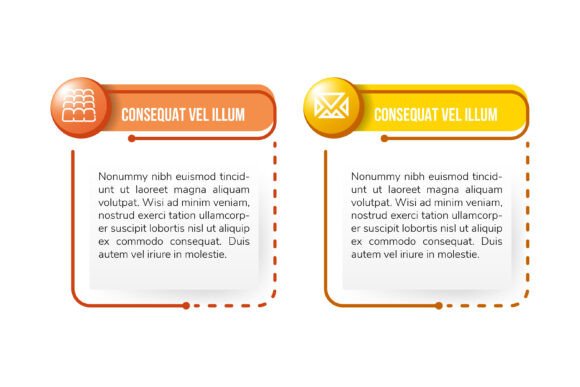
In today’s fast-paced digital landscape, visual clarity and precision are essential for effective communication. The White Background Infographic offers a minimalist yet powerful solution for designers aiming to present complex ideas with simplicity and elegance. Designed with a vertical layout and four distinct steps, this template provides a structured framework ideal for illustrating workflows, processes, strategies, or decision-making paths.
Why a White Background Works for Infographics
White space is not just a design trend—it’s a functional tool that enhances readability and visual focus. A white background infographic ensures that content remains the central element, allowing icons, text, and visual cues to stand out without distraction. This makes it particularly effective for branding, editorial design, and digital marketing where clarity and user engagement are paramount.
Applications Across Design Disciplines
This versatile template can be adapted across a wide range of creative and professional contexts:
- Branding and brand identity: Use the clean layout to explain brand values, mission statements, or product features in a visually digestible format.
- Social media graphics: Transform key campaign messages or product benefits into shareable visuals that align with modern aesthetics.
- Web and UI design: Integrate infographic elements into landing pages or dashboards to guide users through processes or features.
- Packaging and print design: Present product instructions, usage steps, or sustainability efforts in a visually engaging way.
- Presentation decks: Communicate business strategies, project timelines, or market insights with clarity and visual appeal.
Designing with Purpose: Key Considerations
To maximize the impact of a white background infographic, consider the following design principles:
- Visual hierarchy: Ensure that each step or section is clearly defined and logically ordered to guide the viewer’s eye through the content.
- Typography: Choose fonts that are legible and consistent with your brand’s voice. Pair contrasting typefaces to differentiate headings, subheadings, and body text.
- Color palette: While the background is white, strategic use of accent colors can highlight key points and enhance visual engagement.
- Iconography: Line icons should be simple, scalable, and aligned with the overall design style—flat, modern, and consistent in stroke weight.
Perfect for Versatile Creative Workflows
Whether you're crafting a marketing campaign, designing a corporate report, or developing a product presentation, the white background infographic serves as a flexible foundation. Its vector format ensures scalability across all platforms—from mobile screens to print media—without loss of quality. With editable text, shapes, and colors, it seamlessly integrates into any design workflow, supporting both creative experimentation and brand consistency.
Conclusion: Elevating Design with Thoughtful Tools
In the world of graphic design, the right template can streamline the creative process while elevating the final output. The White Background Infographic exemplifies how simplicity, when executed with intention, can enhance communication, reinforce brand identity, and improve user experience. By choosing well-crafted, editable design assets, professionals can focus more on storytelling and less on technical constraints—ultimately delivering more impactful visual content across mediums.